Makeup Stylist: Makeup Game
HDuo Fun GamesSimulation
4.42.05K Reviews
- Version
- 3.591
- Installs
- 50.00M
- Age Rating
- Everyone
Screenshots

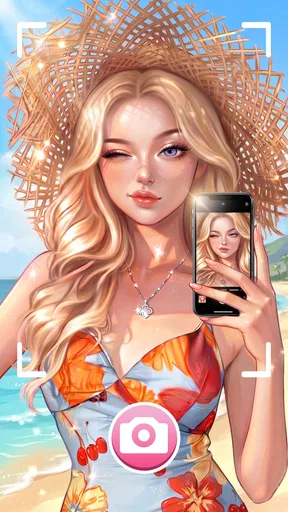
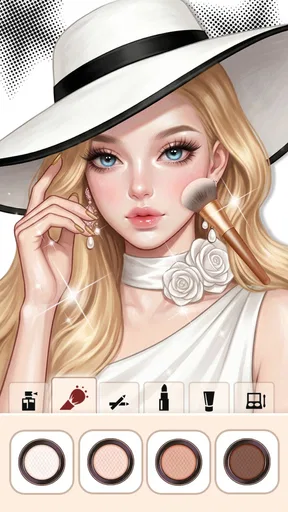
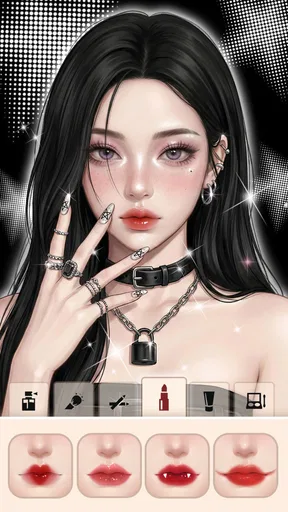
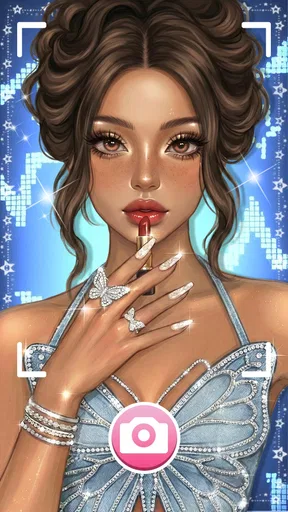
Our Review of Makeup Stylist: Makeup Game
 Analysis by Appyee
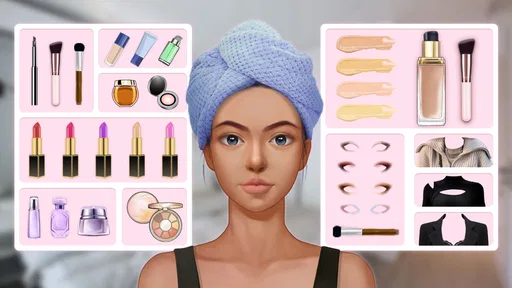
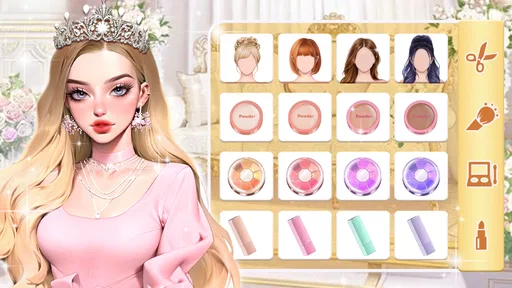
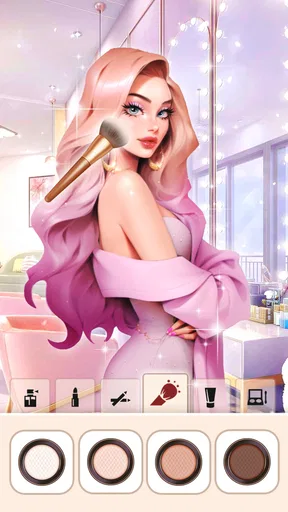
I spent time with Makeup Stylist: Makeup Game as a light beauty-focused simulation, and my first impression was that it is designed for quick creative sessions rather than deep strategy. You take the role of a makeup stylist, work through makeover activities, and build a look around the client or character in front of you. The appeal is immediate: choose cosmetic touches, experiment with presentation, and enjoy the visual result without needing to learn complicated controls.
That simplicity is also the key to understanding the game. It is not trying to replace a professional beauty tool, teach real-world makeup technique, or offer the management depth of a full salon simulator. It is a casual game from HDuo Fun Games that turns the idea of a makeup salon into short, accessible play. I found it easiest to enjoy when I treated each makeover as a small creative exercise instead of expecting a long-term simulation with complex systems.
How the makeover experience works in everyday play
The game fits naturally into spare moments. I could imagine opening it while waiting for an appointment, taking a short break, or relaxing before bed. The central loop is easy to understand: enter a beauty makeover, make styling choices, and move toward a finished appearance. That low barrier matters because the game is aimed at Everyone, so younger players and people who rarely play simulation games can approach it without a dense tutorial or intimidating interface.
What makes the format pleasant is the sense of visible progress within a single session. Instead of asking me to remember a large map, balance several resources, or master timing-heavy controls, it keeps attention on the look being created. This makes the experience friendly for players who enjoy fashion, cosmetics, character presentation, and visual customization more than competition.
At the same time, the simplicity means that your enjoyment depends heavily on how much you like repeating makeover decisions. If you want a story with meaningful character development, a realistic cosmetics curriculum, or a salon business that requires staff, inventory, and scheduling decisions, this will feel much lighter than those alternatives. I would describe it as a beauty-themed casual simulator, not a detailed professional salon program.
Creative choices are more useful when you set a personal goal
One tip that improved my sessions was to decide what kind of look I wanted before making every choice. Rather than tapping through options without a plan, I tried themes such as soft and understated, bold and dramatic, or polished for a special occasion. That small change made the process feel more creative and gave each makeover a clearer identity.
This approach also helps when the available choices seem overwhelming. Start with the overall mood, then make the smaller decisions support it. A restrained look benefits from consistency, while a dramatic look can use contrast. Even though the game is casual, treating the makeover like a visual composition gives the activity more purpose than simply selecting the most noticeable option each time.
Another practical habit is to pause briefly before finalizing a look. I found that the last choice can change the balance of the entire face or outfit presentation, so rushing through the sequence may leave a result that feels less coherent. Players who enjoy experimenting can deliberately create an unusual combination first, then try a second pass with a more coordinated style. That turns one short activity into a small before-and-after challenge.
What the scale of the game tells me about its audience
The game has reached over 50 million installs and holds a 4.4 average from around 251 thousand ratings, with roughly 2 thousand written reviews. Those figures suggest that its straightforward beauty-game format connects with a broad audience. I would not read that popularity as proof that every player will find lasting depth, but it does indicate that the basic concept is easy for many people to pick up and understand.
Its current version is 3.591, and it runs on Android 6.0 or later. For someone using an older compatible Android device, that requirement is relatively approachable. Still, compatibility alone does not guarantee the same smoothness on every phone, especially when a device has limited storage or struggles with newer visual applications. I would keep the game updated and close other demanding apps if the interface feels slow.
The developer, HDuo Fun Games, has positioned the title clearly around beauty makeovers rather than trying to mix several unrelated genres. That focus is helpful for discovery: if you are looking specifically for a makeup stylist game, you know what kind of experience you are getting. It also means players who prefer racing, fighting, puzzle solving, or resource-heavy simulation should not expect the game to broaden into those areas.
Free access is the important part of the value equation
Makeup Stylist: Makeup Game is free to download, which makes trying it straightforward. I see that as its strongest value advantage. You can find out whether the makeover loop suits you without paying upfront, and the Everyone rating makes it approachable for a family audience. For a casual game that may be played in short bursts, avoiding an initial purchase lowers the risk considerably.
There are in-app purchases ranging from $2.99 to $29.99 per item. That range is worth considering before spending. The free entry point gives the game a chance to prove itself first, while the paid options should be treated as optional spending rather than part of the basic decision to install. I would play for a while, decide whether the available free experience is satisfying, and only then consider whether any purchase adds enough enjoyment to justify its cost.
This distinction matters because a free game can still become expensive if a player buys impulsively. I recommend setting a personal limit before opening the purchase screen, particularly if children may use the device. The game’s accessible presentation can make small decisions feel harmless, but several separate purchases can add up. The sensible value test is simple: enjoy the free portion first, then pay only for a specific improvement you genuinely want.
I also would not judge the game solely by the highest possible purchase. The relevant question is whether you enjoy the core styling activity without spending. If the free experience already gives you enough creative satisfaction, there is no reason to buy anything. If you dislike the basic loop, paying more will not transform it into a different genre or provide the strategic depth of a full management simulator.
Where it feels better than ordinary alternatives
Compared with a general dress-up game, this title has a more focused beauty identity. That can be an advantage when you want the makeover itself to be the center of attention instead of treating makeup as one small part of a larger wardrobe system. Compared with a realistic makeup tutorial app, it is much more playful and less demanding, but it should not be used as a substitute for learning product selection, skin preparation, hygiene, or real application technique.
It also differs from traditional simulation games that ask you to manage money, staff, schedules, or long-term upgrades. Here, the pleasure comes from the individual makeover and the visual decisions around it. That makes it easier to pick up, but it removes the kind of layered planning that keeps a management-focused player engaged for weeks.
For younger users, the game’s Everyone rating and clear theme are reassuring starting points, but I would still explain that the in-app purchase system involves real money. For adults, the title works best as a relaxing creative diversion. For someone who wants competitive rankings, an elaborate narrative, or a realistic beauty education, a different category would be a better match.
Small habits that make short sessions more satisfying
I found three useful ways to get more from the game without spending. First, use each makeover to test one idea rather than trying to create the perfect result immediately. For example, focus on color harmony in one session and a stronger contrast in the next. This gives repetition a purpose and helps you notice which kinds of styling decisions you actually enjoy.
Second, take a mental snapshot of what worked before moving on. If a combination feels balanced, remember the relationship between the choices rather than trying to memorize every individual item. That makes future makeovers more intentional and helps you develop a personal style inside the game.
Third, use the game as a social prompt without turning it into a competition. You can show a finished look to a friend and ask which version feels more suitable for a particular occasion. This is especially useful for players who enjoy discussing fashion but do not want a demanding multiplayer game. The title becomes a quick creative conversation starter rather than just a sequence of taps.
These habits do not add hidden management mechanics or change the game’s structure. They simply make the existing makeover loop feel less automatic. That is important because the biggest long-term question is not whether the controls are difficult; it is whether you can keep finding fresh reasons to make another look.
The tradeoffs I noticed after spending more time with it
The main limitation is repetition. A focused makeover game can be charming at first, but players who need constant novelty may eventually feel that the basic activity is too narrow. The same accessibility that makes it welcoming also limits the amount of mastery available. There is no need to study a complicated system, but there may also be fewer reasons to return once the novelty fades.
Another tradeoff is between speed and depth. Short sessions are convenient, yet a player looking for a substantial evening game may find the experience too lightweight. I would choose it over a more demanding simulation when I want to relax for a few minutes, but I would choose a management or story-driven title when I want progression that changes how I play.
The purchase range creates a second point of friction. Free access is valuable, but players must remain aware of the difference between trying the game and paying to extend enjoyment. I prefer to make that decision deliberately, not while chasing a particular look or responding to a moment of frustration. If the free content does not hold your attention, spending more is a poor solution.
There is also a difference between creative freedom and realistic guidance. The game can encourage visual experimentation, but a successful in-game look should not be interpreted as advice for real skin, real products, or real occasions. Anyone seeking practical beauty instruction would be better served by an educational resource that explains technique and safety rather than by a simulation built primarily for entertainment.
Who will get the most from this game?
I would recommend it to players who enjoy makeup, fashion presentation, and character makeovers but prefer gentle gameplay. It is a good fit for someone who wants a free title to sample, likes completing visual tasks, and does not need a complex story or competitive challenge. It can also suit families looking for an approachable beauty-themed game, provided adults discuss purchases with younger players.
It is particularly suitable for people who play in short intervals. A quick makeover can provide a clear beginning and end, which is more convenient than entering a game that expects a long uninterrupted session. If you like making themed choices and comparing different styles, you can create your own mini-challenges without needing a formal difficulty system.
I would skip it if your priority is realistic makeup education, deep salon economics, or a robust long-term simulation. I would also skip it if you quickly tire of repeating similar creative actions. In those cases, a tutorial-focused beauty app, a detailed business simulator, or a broader fashion game would probably offer better value for your time.
For parents, the age rating is Everyone, but that does not remove the need for sensible supervision around optional purchases. For Android users, the minimum requirement is version 6.0, so the game is accessible to many older devices. I would still check that the phone has enough room and that the user understands when a screen involves spending rather than ordinary gameplay.
My recommendation after weighing the free and paid sides
My verdict is positive, with a clear condition: try it as a casual makeover game, not as a full beauty simulator. The free download makes experimentation easy, the central idea is immediately understandable, and the focus on styling gives it a pleasant identity. Its broad audience and strong average rating support the impression that the format works for many players, especially those who want uncomplicated creative entertainment.
Its value becomes less convincing for anyone expecting endless depth. Repetition, limited simulation complexity, and the presence of optional purchases all mean that you should decide based on your enjoyment of the basic makeover loop. I would not recommend buying anything on the first session. Play free, see whether you naturally want to create another look, and only consider spending if a particular purchase has clear personal value.
In the end, Makeup Stylist: Makeup Game is best understood as a friendly, accessible beauty sandbox for brief creative breaks. I would recommend it to a friend who likes makeup-themed games and wants something easy to start, while warning a strategy fan or a real-world beauty learner that another type of app would serve them better. If you approach it with those expectations, its free entry point and focused styling loop make it an enjoyable download rather than an overpromising simulation.
Verdict
Strengths of Makeup Stylist: Makeup Game
- Relaxing gameplay suitable for short sessions
- Wide range of makeup combinations encourages creativity
- Simple controls are easy for beginners to understand
- Works well as a casual offline entertainment option
- Progression gives players new looks and items to explore
Limitations of Makeup Stylist: Makeup Game
- Some premium items may require in-app purchases
- Repeated makeover tasks can feel similar over time
- Advertisements may interrupt the gameplay experience
- Limited challenge for players seeking complex strategy
- Performance may vary on older mobile devices
Similar Picks in This Category
View All
Truckers of Europe 3
Wanda Software4.3

Town Building Life Simulator
XGame Global4.2

Fidget Toys Trading・Pop It 3D
Freeplay Inc4.7

Sculpt People
CrazyLabs LTD4.4

Scary Teacher 3D
Z & K Games4.2

Hair Tattoo: Barber Shop Game
CASUAL AZUR GAMES4.3
Frequently Asked Questions
What is Makeup Stylist: Makeup Game?
Makeup Stylist: Makeup Game is a beauty and makeover simulation game in which you create complete looks for different characters. You can usually work with makeup, hairstyles, accessories, and sometimes outfits while following a theme or client request. The main appeal is experimenting with colors and styles, then seeing the finished transformation presented as a polished makeover result.
How do you play Makeup Stylist: Makeup Game?
Gameplay is generally based on selecting a character and completing a series of makeover steps. You may clean or prepare the face, apply foundation, eyeshadow, eyeliner, mascara, lipstick, blush, and other cosmetic items before choosing hair and accessories. Some stages include style objectives, while others allow more creative freedom. Progress is normally earned by completing looks and receiving ratings or rewards.
Is Makeup Stylist: Makeup Game free to download and play?
The game can typically be downloaded without an upfront purchase, but free access may include advertisements, optional in-app purchases, or limitations on certain cosmetics and features. Premium items may help unlock additional choices or reduce waiting time, although they are not always necessary to enjoy the basic makeover experience. Check the store listing and purchase settings before downloading.
Does Makeup Stylist: Makeup Game require an internet connection?
Some parts of Makeup Stylist: Makeup Game may work offline after the necessary game files have been installed, especially the basic makeover activities. However, an internet connection may be needed for advertisements, bonus rewards, updates, special events, cloud features, or in-app purchases. Availability can vary by device and version, so offline play should not be assumed for every feature.
Is Makeup Stylist: Makeup Game suitable for children?
Makeup Stylist: Makeup Game is generally designed as a casual, family-friendly beauty game, but parents should review its age rating and store information before allowing younger children to play. Advertisements, optional purchases, online services, and themes related to appearance may be included. It is also wise to enable parental controls and restrict payments if the device is shared with children.
Play our best games!


